A professional retail removal service helps clear store fixtures, displays, appliances, and debris safely. It can support store moves, closures, remodels, and backroom cleanouts. In Murrieta, this service helps business owners save staff time, protect the store, and prepare the space for its next use.
Table of Contents
- What Is a Professional Retail Removal Service?
- Are Store Fixtures and Displays Taking Up Valuable Space?
- Has a Store Closure or Relocation Created Too Much Junk?
- Is Your Backroom Too Crowded to Operate Efficiently?
- Are Retail Displays, Signage, or Equipment Difficult to Remove?
- Is Retail Debris Creating Safety or Compliance Concerns?
- How Do You Know When Professional Retail Removal Is the Right Choice?
- Key Takeaways
- Frequently Asked Questions
- Conclusion
What Is a Professional Retail Removal Service?
A professional retail removal service clears unwanted items from shops and other business spaces. The work may include lifting, sorting, taking items apart, loading, and proper disposal. It can help business owners, property managers, store operators, and teams preparing a space for its next use.
Which retail removal tasks can professionals handle?
A removal team may handle shelving, clothing racks, display cases, checkout counters, signs, office furniture, damaged stock, and backroom clutter. Some teams also remove old appliances, including refrigerators, freezers, and small breakroom equipment. Items can be checked first so reusable and recyclable materials are handled in the right way.
A store may need removal after a remodel, lease change, flood, fire, or layout update. The goal is more than taking away junk. The team should leave the space easier to use and ready for the next task.
How is retail removal different from regular junk hauling?
Retail removal often needs more planning than a home pickup. Commercial spaces may have narrow aisles, loading rules, shoppers, security needs, and fixed displays. The crew may need to work around store hours while protecting floors, doors, walls, and nearby goods.
For Murrieta CA Junk Removal, the job may be a full store cleanout or one focused task. It could mean removing a few counters or clearing a whole backroom. Local help in Murrieta can let staff stay focused on customers and daily sales.
Are Store Fixtures and Displays Taking Up Valuable Space?
Store fixtures should be removed when they block a new layout, sit unused, or make the sales floor hard to clean. Old racks, counters, mannequins, display walls, and cases can take up room long after their use ends. They may also make a shop feel crowded or unfinished.
When should shelving, racks, and counters be removed?
Removal may make sense when fixtures are broken, old, unsafe, or no longer fit the store’s products. It may also be needed when a tenant leaves and the next renter wants an open space. Some leases require tenants to remove certain changes before moving out, so owners should check those rules early.
A crew can sort fixtures for reuse, recycling, donation, or disposal. This keeps useful items away from the general junk pile. It also saves staff from heavy lifting and repeated trips to a disposal site.
How can fixture removal support a store refresh?
An open floor gives a retail team more choices. Staff can test a new product layout, make wider paths, or prepare for new shelving. A clear space also helps painters, electricians, flooring crews, and other workers start without moving unwanted items first.
Plan the work before removal starts. Mark items that must stay, identify locked cases, and share rules for doors and loading areas. Clear details help the crew work with less noise, delay, and disruption.
Has a Store Closure or Relocation Created Too Much Junk?
A store closure or move is a common sign that professional removal may help. Closing a shop can create years of fixtures, signs, office items, packaging, damaged goods, and old equipment. Clearing everything with store staff can slow the move and leave the property behind schedule.
What items commonly need removal during a retail transition?
Common items include gondola shelving, checkout stations, display tables, racks, mannequins, signs, desks, chairs, filing cabinets, storage bins, and breakroom appliances. A store may also need help with old refrigerators or freezers. Appliance removal may need extra care because some units contain fluids or parts that should not go into normal trash.
A retail move can also create small debris. Cardboard, broken plastic, torn signs, packing materials, and damaged pallets may quickly fill a backroom. Sorting these items early helps the business decide what to reuse, recycle, donate, or remove.
How can a removal plan help keep the transition organized?
Start with a walk-through of the store. List each area, mark items that stay, and note access limits. Confirm the work date, loading spot, building rules, and any items that need special care.
Removing items in stages may let a store stay open longer. The backroom could be cleared first, followed by displays after the final sales day. A planned process gives staff clear paths and reduces last-minute choices.
Is Your Backroom Too Crowded to Operate Efficiently?
A crowded backroom can make daily retail work slower and less safe. Staff may struggle to find supplies, move boxes, stock shelves, or reach electrical panels. When unused items keep building up, the area becomes harder to manage.
What types of backroom clutter should be addressed first?
Start with items that block doors, exits, paths, loading areas, or key equipment. Next, address broken shelving, empty display parts, damaged pallets, old furniture, and equipment that no longer works. Loose glass, sharp metal, unstable stacks, and broken wood need quick attention.
Keep products, records, and equipment that still have a clear use. Put items with no planned use into a removal group. This simple step can make the cleanout faster and help staff see what the store really needs.
How can organized removal improve daily retail operations?
A cleaner backroom gives workers room to receive shipments and prepare stock. It can also make inventory checks easier. Staff spend less time moving unwanted items and more time serving customers or handling store tasks.
The change can help property managers too. A clear service area is easier to inspect and maintain. In a multi-tenant building, removing abandoned junk can prepare a unit for cleaning, repairs, or a new renter.
Are Retail Displays, Signage, or Equipment Difficult to Remove?
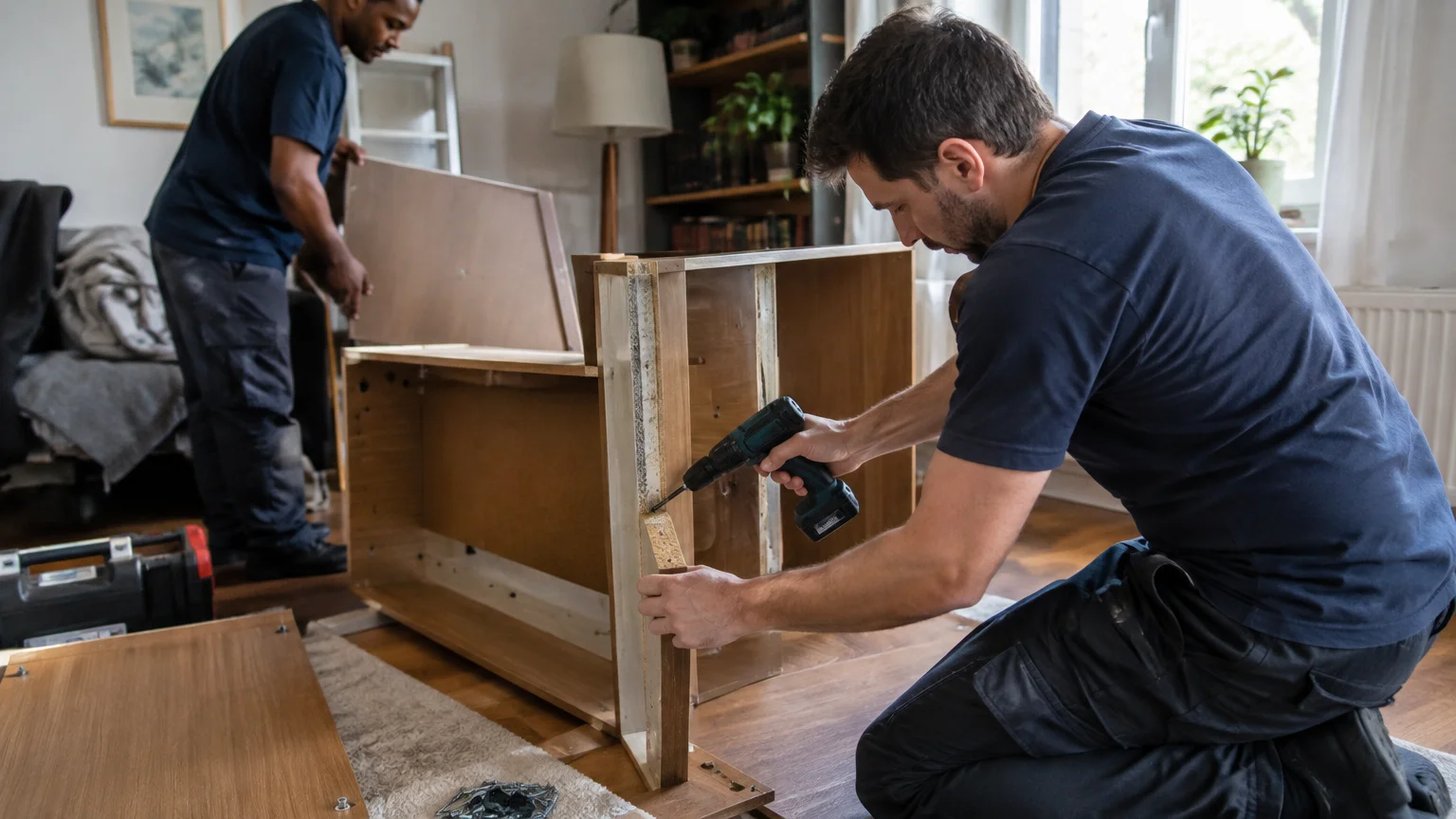
Difficult displays and equipment are another sign that professional help may be safer. Large cases, wall signs, counters, and built-in shelving may be heavy, awkward, or fastened to the building. Removing them without a plan can damage the store or hurt a worker.
Which items may require careful disassembly?
Items that may need to be taken apart include display walls, glass cases, checkout counters, shelving systems, racks, kiosks, and hanging signs. Some equipment may connect to power, water, or other building systems. The right qualified worker should handle those connections before hauling begins.
A removal crew can check how an item should move and whether it must come apart first. Smaller pieces are often easier to carry through doors and halls. Careful disassembly also helps protect nearby walls, floors, and door frames.
Why does safe handling matter in an active commercial space?
Retail spaces may have customers, employees, contractors, and delivery workers nearby. Heavy items can fall, sharp edges can cut, and loose parts can cause trips. When possible, schedule the work during a quieter period and keep a clear path to the loading area.
Tell the crew about elevators, stairs, alarms, restricted rooms, and building rules. Staff should not move heavy fixtures just because a deadline is close. A professional retail removal service can help reduce strain, damage, and disruption.
Is Retail Debris Creating Safety or Compliance Concerns?
Retail debris can create safety problems when it blocks paths, hides sharp edges, attracts pests, or makes a stack unstable. Damaged fixtures may fall, while broken glass and exposed fasteners can hurt workers or visitors. Quick removal helps keep the store ready for normal work.
What risks can damaged fixtures and loose debris create?
Loose debris can cause slips, trips, cuts, falling-object injuries, and blocked access. It may also damage floors or interfere with cleaning tools. A blocked exit or covered electrical panel is a serious concern and should not be treated as normal storage.
Keep customers away from active removal areas. Staff can place small debris in safe containers, but they should not handle unknown liquids, sharp materials, heavy equipment, or damaged appliances without guidance. Light cleaning may be safe for staff, while larger work may need a professional team.
How should recyclable, reusable, and regulated materials be separated?
Sort items by what they are and how they can be handled. Reusable racks may go to another store, while clean cardboard and some metals may enter local recycling streams. Broken items, mixed materials, electronics, batteries, and appliances may need separate handling.
Do not place unknown chemicals, leaking equipment, pressurized containers, or other restricted materials in a normal junk load. Give the removal team a clear description before scheduling. This helps the crew choose the right process and avoid unsafe surprises at the store.
How Do You Know When Professional Retail Removal Is the Right Choice?
Professional help is often right when the job is too large, heavy, awkward, urgent, or disruptive for store staff. It may also help when a lease date, move, closure, or remodel leaves little time for delay.
What should business owners consider before scheduling removal?
Think about the amount of material, item size, access, timing, and space condition. Decide what stays, what can be reused, and what must leave. Check building rules and identify anything that may need special handling.
A small pile of light cardboard may be manageable by staff. A full backroom of fixtures, appliances, and damaged equipment is different. The choice should protect workers and support store needs, not only focus on speed.
What information helps a removal team plan the job?
Useful details include the store type, number of rooms, item groups, amount of material, access points, stairs, elevators, parking limits, and preferred timing. Photos may help explain large fixtures or tight spaces. Mention refrigerators, freezers, electronics, glass, liquids, and items attached to walls or floors.
Murrieta CA Junk Removal can help Murrieta business owners review which removal option fits the space. Planning early gives the team time to understand the job. It also helps the store prepare staff, customers, and building management.
Key Takeaways
- A professional retail removal service can clear fixtures, displays, appliances, and backroom junk.
- Store closures, moves, remodels, and crowded stockrooms often need planned removal.
- Heavy, fixed, sharp, glass, or connected items need careful handling.
- Businesses should sort reusable, recyclable, ordinary, and restricted materials.
- Details about access, timing, item types, and building rules help plan the work.
Frequently Asked Questions
What is a retail cleanout service?
A retail cleanout service removes unwanted items from a shop or business space. It may include fixtures, displays, signs, furniture, appliances, packaging, and backroom debris. The work can support a closure, move, remodel, lease change, or new tenant. The team sorts and loads items based on the job plan.
How do businesses dispose of old appliances?
First, identify the appliance and check whether it contains refrigerant, batteries, electronics, or other restricted parts. Large refrigerators and freezers should not be treated like normal trash. A removal team can explain the next step and help arrange handling that fits the item and local rules.
Can staff remove store shelving themselves?
Staff may remove small, light, free-standing pieces when they can do so safely. They should avoid heavy, unstable, wall-mounted, glass, or connected fixtures. If the task needs tools, several workers, tight movement, or lifting near customers, professional help can lower the chance of injury or property damage.
What does a full-service junk removal company take from a store?
A full-service junk removal company may take retail fixtures, racks, counters, office furniture, signs, displays, appliances, packaging, and general commercial debris. The exact items depend on their condition and handling rules. Describe restricted, leaking, sharp, or connected materials before the job is planned.
How should a store prepare for removal?
Identify items that stay, clear a path, secure records, and explain access limits. Separate products from junk and point out appliances, glass, liquids, electronics, and wall-mounted fixtures. Photos and a basic item list can help the removal team plan the work.
Conclusion
Retail removal is easier when a business acts before clutter affects customers, staff, or a move date. A clear plan can support a store refresh, closure, relocation, or safer backroom. Staff may handle light cleaning and small items, but large, heavy, fixed, or uncertain items need careful planning.
For local commercial help, contact Murrieta CA Junk Removal to arrange a retail removal review. Murrieta CA Junk Removal can help you decide what should happen next.
If you are not sure what you are dealing with, it is worth having someone look at it before it turns into a bigger job. Get in touch with Murrieta CA Junk Removal today and we will tell you where you stand.